

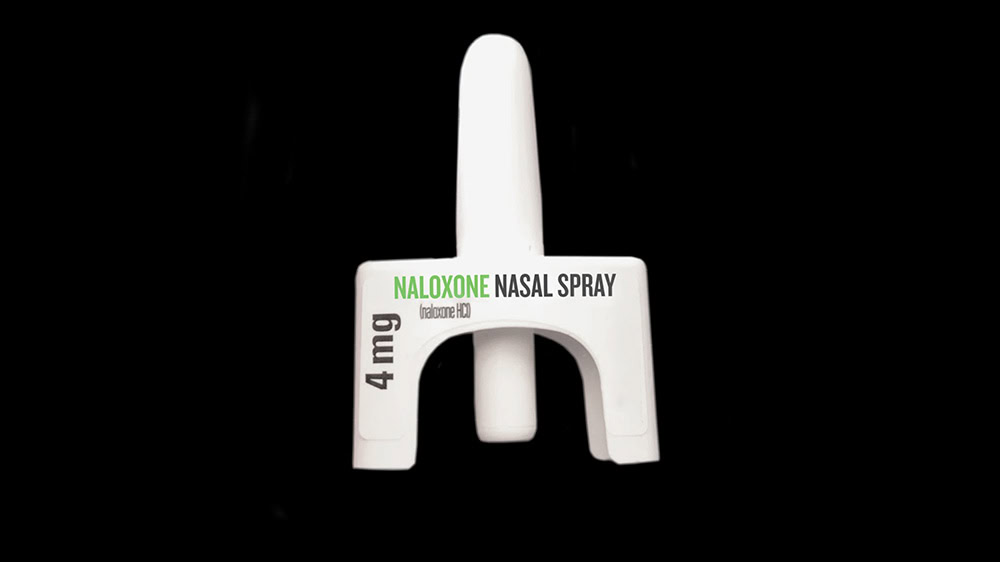
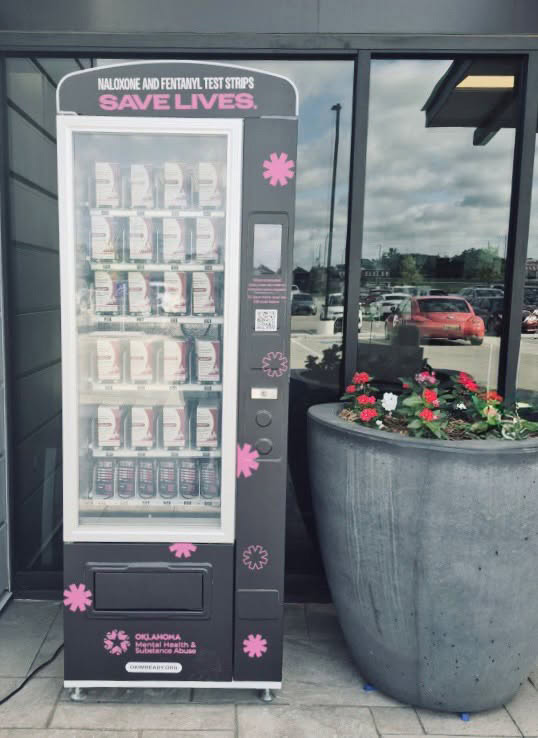
Saving a life could be as easy as buying a soda or a candy bar, thanks to new vending machines at two Choctaw Nation facilities.
The Choctaw Nation Health Services Authority has installed free naloxone and fentanyl test strip vending machines at the McAlester and Stigler facilities, giving anyone in the community, regardless of tribal affiliation, 24-hour access to supplies that can stop an opioid overdose before it turns fatal.
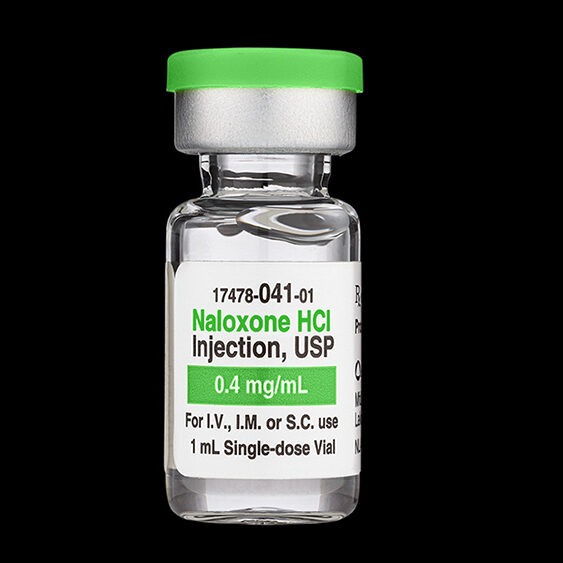
Naloxone, the generic name for Narcan, works by blocking opioid receptors in the brain and typically restores normal breathing in two to three minutes. Anyone can carry it and use it, and it will not harm someone who is not experiencing an opioid overdose.
Fentanyl exposure does not always happen the way people expect.
According to Shauna Humphreys, CNHSA Behavioral Health Director, one of the most common ways is when fentanyl gets mixed into other drugs or pills without the user knowing.
Because fentanyl cannot be seen or tasted and has no odor, there is often no way to know a substance contains it without testing.
“Currently, Choctaw Nation Behavioral Health has programs that go out into the community to distribute naloxone and fentanyl test strips,” Humphreys said. “When we heard the Oklahoma Department of Mental Health and Substance Abuse Services had some vending machines, we thought it was a great idea and began advocating to have one in our area.”
The first machine was placed at the McAlester clinic; the Stigler clinic was next. Both locations were chosen because they offer around-the-clock access, something Humphreys said matters more than almost anything else.
“My only hope is that people take them before they need them,” said Shawna Smith, clinic operations director in Stigler. She said the signs point to just that, with stock obviously being taken from the machines.
According to Mason Emert, Choctaw Nation tribal public health epidemiologist, the tribe has logged 474 suspected overdoses in the ODMap reporting system since 2021. Naloxone was administered in 270 cases.
According to the Centers for Disease Control and Prevention, nearly 80,000 of the 105,007 drug overdose deaths in 2023 involved an opioid.
CDC data show that a potential bystander was present in nearly 43% of those cases. With tools like naloxone, those bystanders could have prevented some of those deaths.
The current trend is heading in the right direction, according to Humphreys.
“We have actually seen the numbers decrease or get better,” Humphreys said. “I believe that is due to a collaborative effort from all our programs coming together to enhance education and prevention efforts.”
Using the machines is simple. Community members enter a ZIP code and can take both naloxone and fentanyl test strips at no cost, regardless of tribal affiliation. The state supplied the first machines and will provide one refill; after that, CNHSA plans to use behavioral health grant funds to keep them stocked.
According to James Haley, Pharm.D., McAlester clinic operations director, not everyone reacted well when the machines were first announced.
“When we first announced the vending machine, some of the online reaction suggested we were condoning illegal drug use,” Haley said. “Fortunately, those comments were quickly outweighed by community members who understood the purpose.”
Haley said he wants people to think of naloxone the same way they think of an automated external defibrillator or a fire extinguisher.
“We don’t install an AED because we expect someone to have a cardiac arrest, and we don’t put up fire extinguishers because we expect fires to happen every day,” Haley said. “We make those tools available because emergencies are unpredictable, and having the right equipment nearby can save a life.”
Haley pointed out that opioid danger is not limited to illicit drug use. Prescription opioids given after surgeries and injuries carry overdose risk, too, and fentanyl is increasingly turning up in counterfeit pills without users’ knowledge.
“The Oklahoma Department of Health reports that fentanyl is now involved in the vast majority of opioid overdose deaths in our state,” Haley said.
The fentanyl test strips can return results in about five minutes, but Humphreys cautioned that a negative result does not guarantee the item being tested is safe. Fentanyl is often mixed unevenly into powders or pressed pills, so a sample tested from one part of a batch might test clean while a lethal amount may still be in the same bag.
A discarded or loose prescription fentanyl patch tossed in the trash or left in a living area can expose a family member. First responders are at risk, too. Police, emergency medical technicians and hazardous cleanup crews sometimes come into contact with fentanyl during their work.
Many people also have parents or grandparents who forget if they took their medication. Doubling up on high-dose prescriptions can lead to an overdose.
That is one way naloxone can be used to potentially save a life.
For Humphreys, the work is personal, as she has family members who have struggled with addiction, and she said that struggle does not define a person.
“That doesn’t make them all bad people,” said Humphreys. “You still want that hope for them.”
Several of Humphreys’ family members are now in recovery, thanks to hope, help and resources provided to the community.
“To have that hope and keep that door open for recovery is just so important,” Humphreys said. “No matter what your drug of choice is.”
According to Humphreys, these tools are not just for people battling addiction.
Parents, teachers, security guards, cleaning crews, transit workers, and anyone worried about accidental exposure have reason to keep naloxone or test strips on hand.
“Providing harm reduction tools does not encourage drug use any more than providing seat belts encourages reckless driving,” Humphreys said. “The real question is whether we want people to be alive tomorrow and still have the opportunity to enter recovery.”
For more information on naloxone, visit DEA One Pill Save Lives.
Substance Abuse Resources for Tribal Members: