The Choctaw Nation of Oklahoma recently hosted two documentary screenings that explored Native culture, identity and community through film.
Through stories of stickball and powwow culture, the films explored Native identity, tradition and the people who continue to preserve those traditions today.
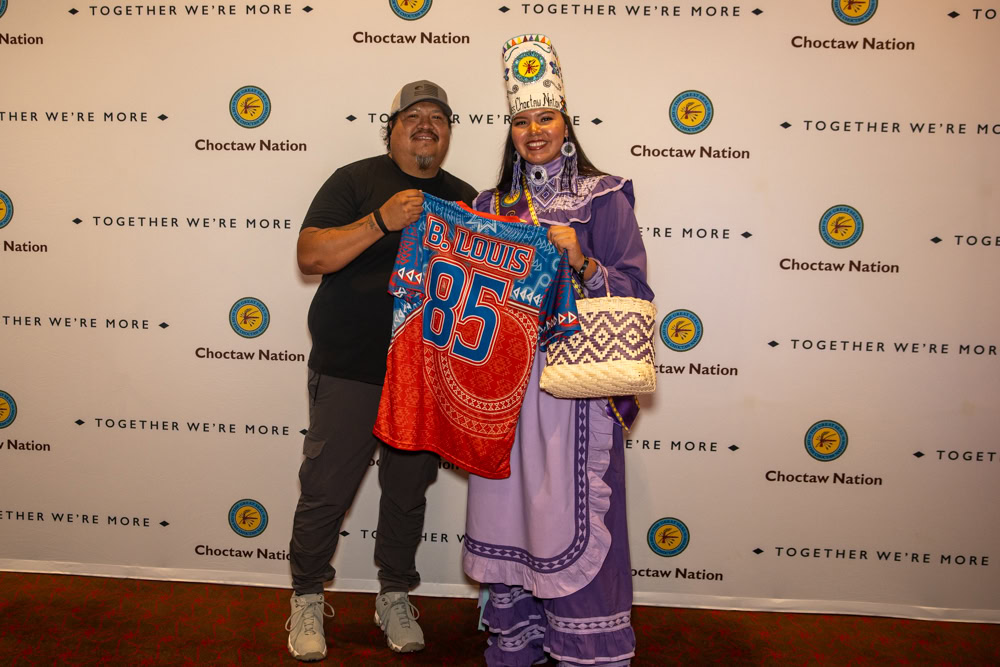
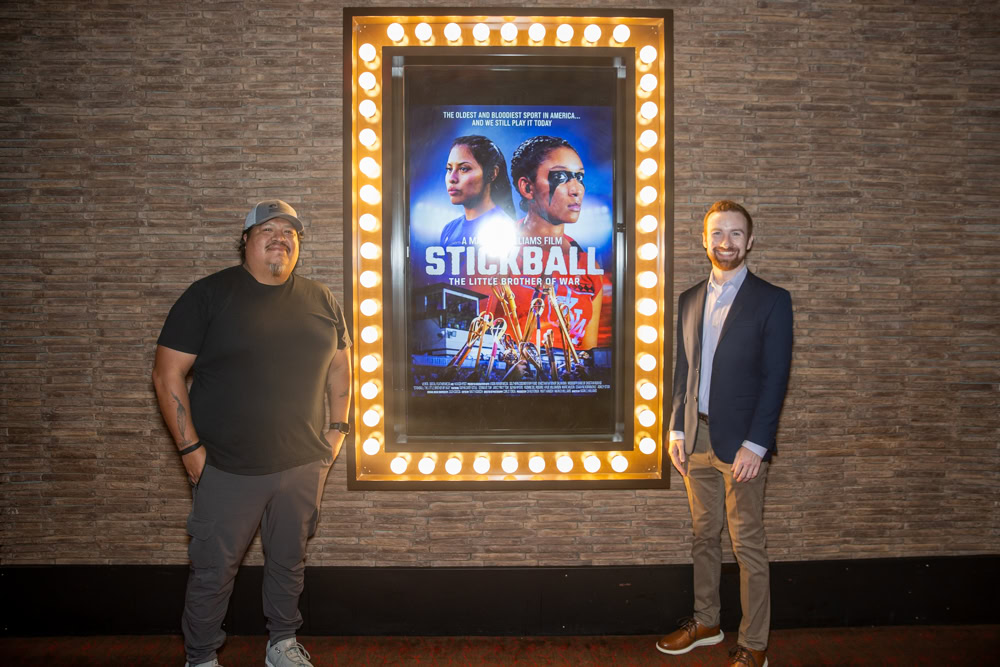
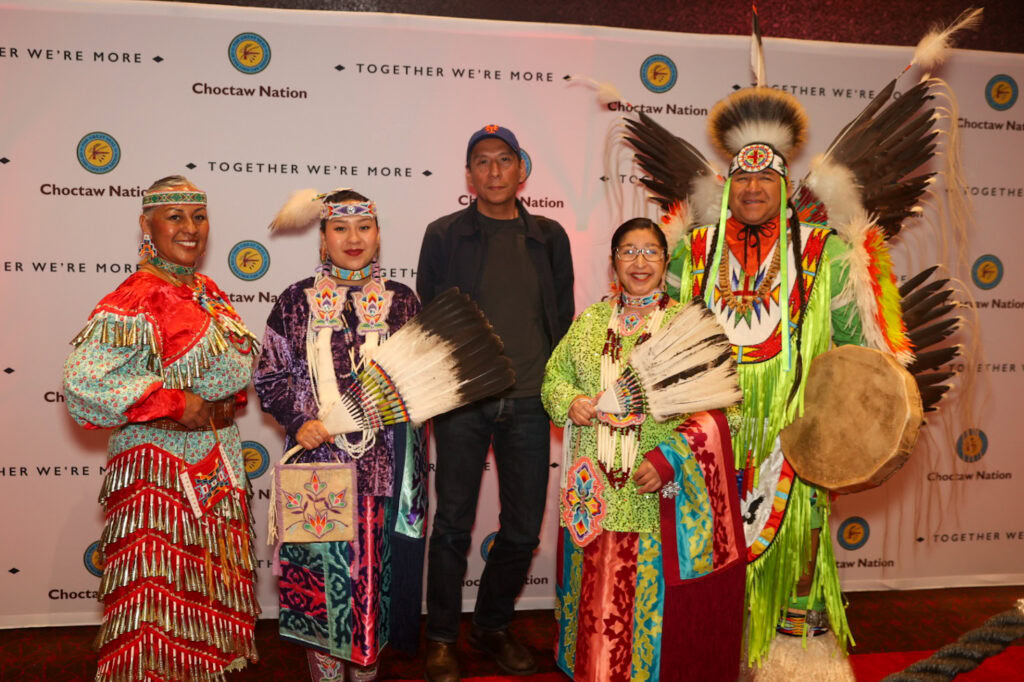
The first screening, “Stickball: The Little Brother of War,” was held on May 30 at The District Cinema inside Choctaw Casino & Resort Durant.
Tribal leaders, cultural representatives, athletes, filmmakers and invited guests attended the red-carpet-style premiere, which was followed by a panel discussion.
Directed by Choctaw filmmaker Mark Williams, the documentary explores the history and cultural significance of stickball, one of the oldest Indigenous games in North America. Often referred to as “the little brother of war,” the game has long played an important role in Southeastern tribal communities.
Through game footage and personal stories, the film shows that stickball is more than a sport. It highlights the game’s role in preserving cultural identity, strengthening community ties and connecting generations.
A major focus of the documentary is the growing role of women in the sport.
The film follows the Choctaw Nation women’s team, Tvshkahomma Ohoyo, and its rivalry with the Mississippi Band of Choctaw Indians women’s team, Koni Hata.
The documentary explores not only the competition between the two teams, but also the cultural bonds they share despite generations of separation following the Trail of Tears. Viewers see the physical demands of the game alongside the relationships formed between teammates, families and communities.
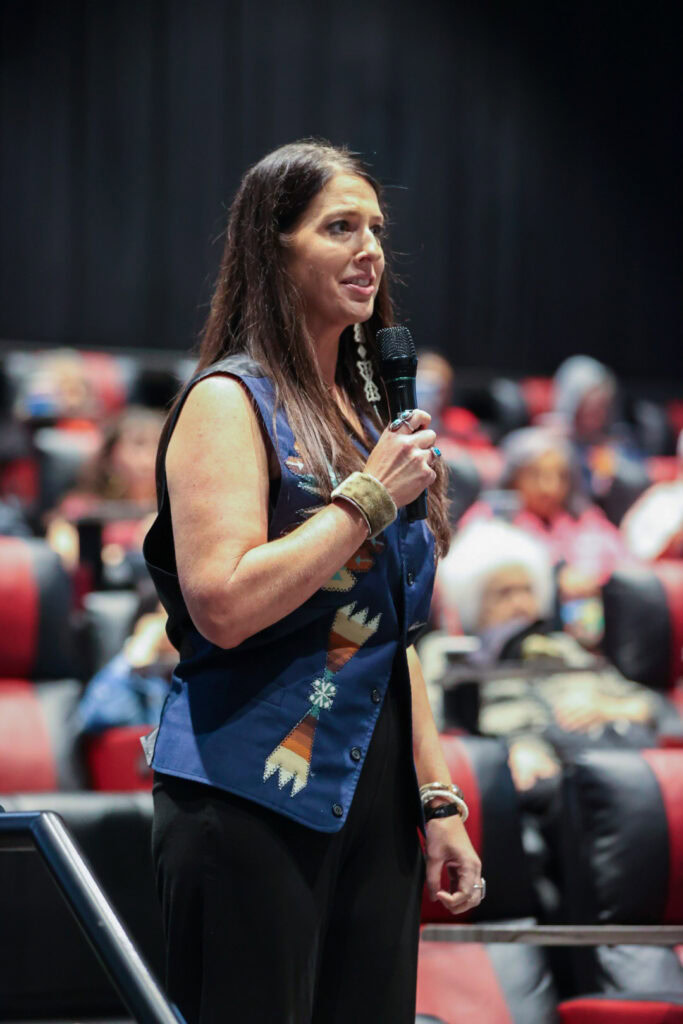
Following the screening, Williams joined producer Matt Hanisch and several players for a question-and-answer session moderated by Claire Young.
Williams said the documentary was inspired by years of following Tvshkahomma Ohoyo and watching the team continue to improve.
He described the rivalry with Koni Hata as a “David versus Goliath” story, in which the Oklahoma team overcame challenges and earned respect through competition.
During the discussion, Williams said he wanted audiences to experience the energy and emotion of the Women’s World Series firsthand.
“Being down there for the World Series is something you have to experience on your own, and so I wanted to try to capture that and put it on the big screen,” Williams said.
Players also spoke about the impact of stickball on their lives and communities.
Several discussed the strong bonds formed through the sport and the importance of serving as role models for younger generations.
The discussion also addressed misconceptions about women’s participation in stickball. Players noted that Choctaw women have long been involved in the game and said the documentary helps highlight a tradition that has existed for generations.
“It wasn’t always common knowledge that Choctaw women did play stickball,” Yasmine “Yaz” Del Rosario said.
“Even today, you’ll still hear some people say that we’ve started to allow women to play stickball, and that’s not the case for Choctaw women specifically.”
Del Rosario said she hopes the documentary helps young Choctaw girls see themselves as both leaders and athletes while continuing to honor their cultural responsibilities.
“I think it’s just a really beautiful thing that we can be, you know, supportive of our community and life givers in our community, but we can also show how fierce we are whenever we are defending each other and taking care of each other or whenever we have a mission and a goal that we’re all unified in,” Del Rosario said.
Williams has spent much of his career documenting Native athletes and cultural traditions through film.
The award-winning Choctaw filmmaker was inducted into the North American Indigenous Athletics Hall of Fame for Media in 2023 and has earned recognition for several documentaries focused on stickball and Native sports.
His previous feature-length documentary, Tvshka Nowvt Aya (Warrior’s Journey), won Best Film at the 2018 NatiVisions Film Festival.
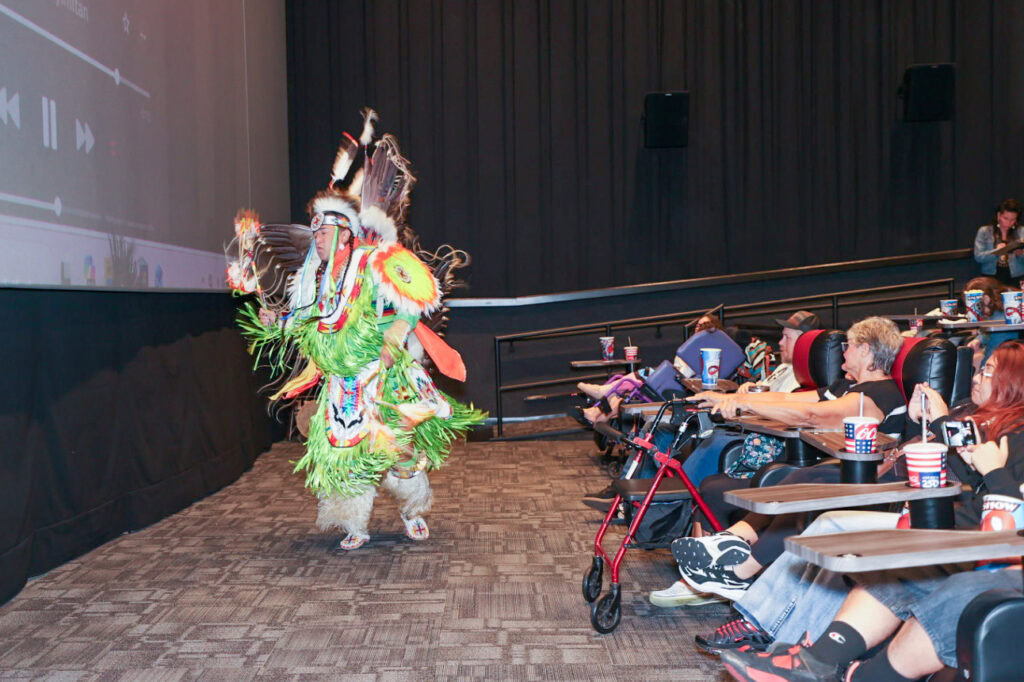
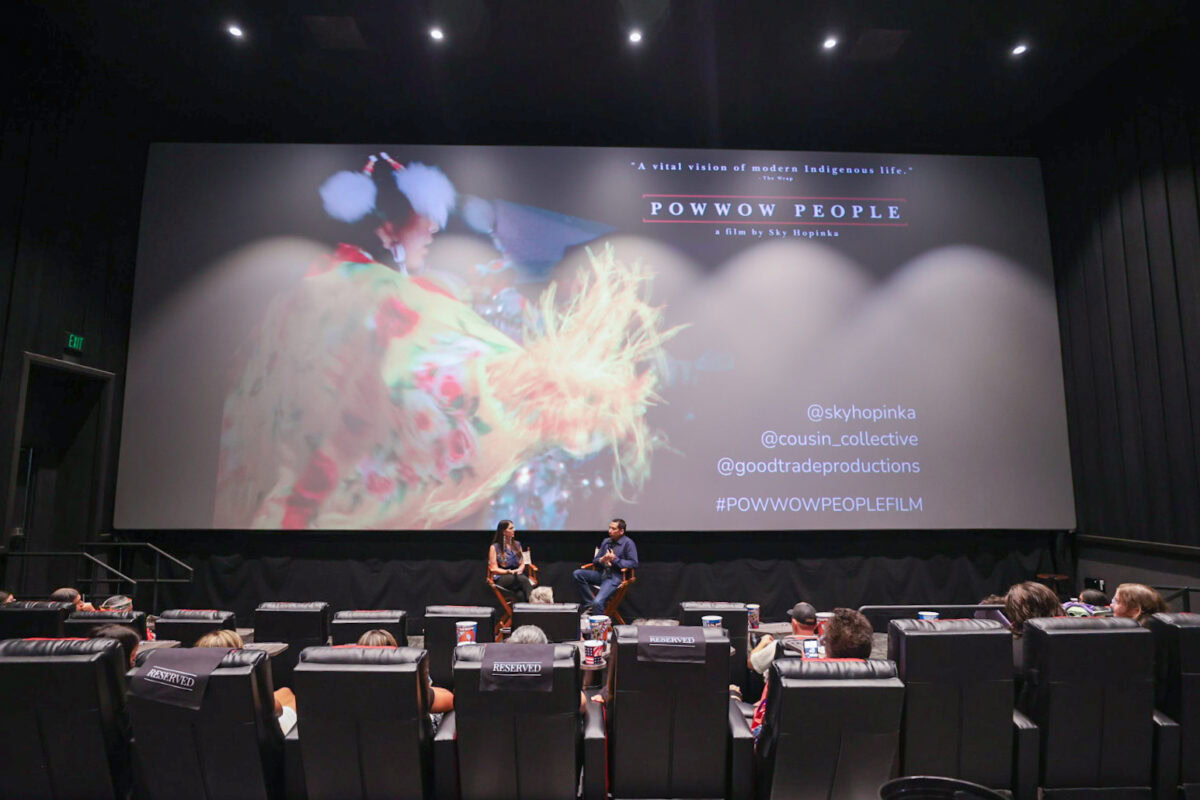
The second screening, “Powwow People,” was held June 14 at The District Cinema and included a discussion with director Sky Hopinka following the film.
Released in 2025, “Powwow People” follows a single day at a powwow, from early morning preparations to evening dance competitions.
Rather than documenting an existing event, Hopinka and the production team organized the powwow themselves at Seattle’s Daybreak Star Indian Cultural Center and invited dancers, singers, vendors and community members to participate.
The documentary follows four individuals whose experiences help tell the story of contemporary powwow culture.
Gina Bluebird-Stacona oversees event preparation and organization; Ruben Littlehead serves as one of the gathering’s central voices; Jamie John reflects on the future of powwow traditions; and Freddie Cozad shares perspectives on history and cultural continuity.
The film also features performances from the Black Lodge Singers and Cozad Singers.
A central theme of the film is Native self-representation.
Instead of presenting powwow culture through the perspective of an outside observer, Hopinka places participants at the center of the story, allowing them to share their own experiences and perspectives.
Throughout the film, audiences see more than dance competitions and performances. Viewers witness the work behind the scenes as families prepare regalia, vendors set up booths, singers gather, and volunteers help organize the event. These moments highlight the many people whose efforts make a powwow possible.
The film also explores how traditions are carried forward through families and communities. Through the experiences of its participants, Powwow People examines how cultural knowledge is shared across generations while adapting to modern Native life.
Families, children, dancers, singers and community members all play a role in the story. Together, they demonstrate how powwows remain important places for cultural expression, connection and learning.
Hopinka, a Ho-Chunk and Pechanga filmmaker and recipient of a MacArthur Fellowship, is known for work exploring Indigenous language, identity, memory and place.
His films have been shown internationally and often center on Indigenous perspectives and experiences.
While the documentaries focus on different traditions, both screenings emphasized the importance of Native storytelling and cultural preservation.
Through stories of stickball and powwow culture, audiences were given an opportunity to learn more about the people, traditions and relationships that continue to shape Native communities today.