

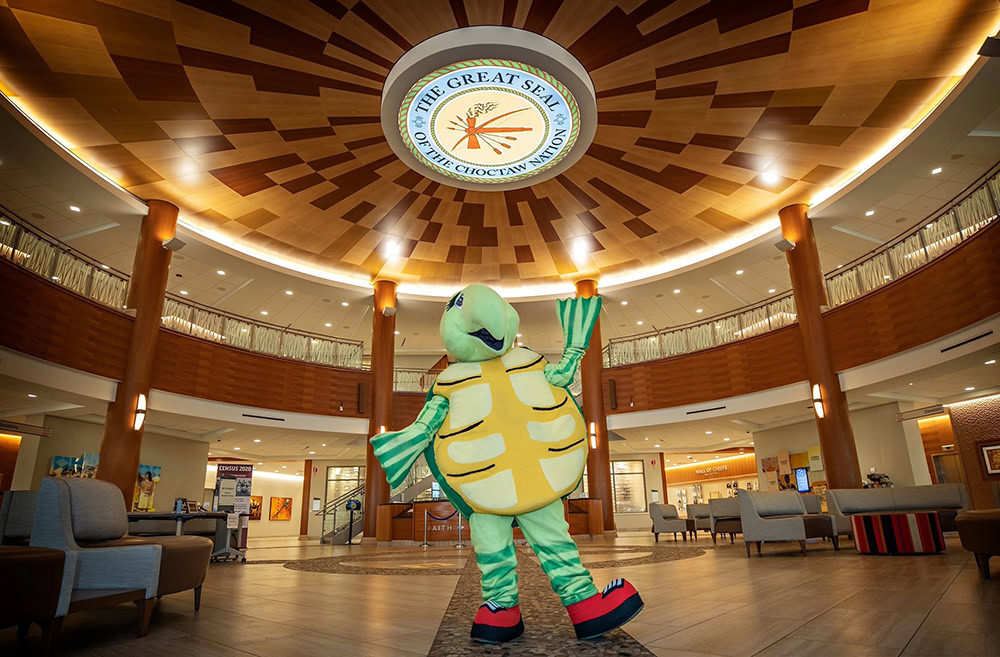
Through hands-on learning opportunities offered throughout the year, the Choctaw Nation of Oklahoma is teaching the next generation how to protect the environment and conserve natural resources.
Activities like animal tracking, habitat exploration, species identification, fishing and expert guidance from wildlife professionals deepen participants’ knowledge and offer a chance to earn a hunter safety card.
At the end of 2025, the Choctaw Nation hosted nearly 20 young Choctaw hunters in the Choctaw Nation Department of Wildlife Conservation youth hunt.
The event was part of the department’s inaugural youth program, which provided access to hunting grounds and mentors, helping participants connect with the significance of hunting in Choctaw culture.
“These hunts teach essential skills while emphasizing the importance of safety and conservation,” said Devin Lindley, conservation education and outreach coordinator for the department.
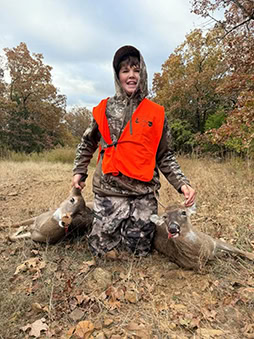
Lindley said Choctaw youth are deeply connected to the land, reflecting the cultural significance of hunting to the Choctaw people.
Students from Jones Academy participated in the event.
According to Patrick Moore, Jones Academy senior director and superintendent, the event was a meaningful experience for his students.
“Our students were genuinely excited to be involved and eager to learn more about hunting and the outdoors. For every student who participated, this was their first hunting experience,” said Moore. “The level of engagement exceeded expectations and reflected a genuine interest and commitment, sparking curiosity that we believe will continue well beyond this season.”
Moore expressed his gratitude to the Choctaw Nation for allowing his students to participate in the event.
“We greatly appreciate the Choctaw Wildlife Department for providing this opportunity and look forward to working together to create additional experiences that help foster our students’ interest in hunting, conservation, and outdoor traditions at Jones Academy,” Moore said.
The CNO Department of Wildlife Conservation has several youth programs, including a hunter education program that issues hunter safety certificates.
The program gives presentations at schools to showcase wildlife management and conservation, and has held clinics to promote archery and fishing.
Follow them on Facebook at Choctaw Nation Department of Wildlife Conservation-CNDWC.
The Youth Advisory Board (YAB) also connects conservation into its programming. YAB empowers youth to become leaders with a servant attitude toward others.
Students are inspired to use their skills through community service projects to promote positive change within their communities. One of their community service initiatives is Going Green. Learn more about YAB at choctawnation.com/services/yab/.
The Choctaw Nation Natural Resources Department also offers educational opportunities through its Agriculture Demonstration Centers in Hugo and Lehigh.
These centers provide hands-on workshops, trials and demonstrations to showcase gardening trends for tribal members, communities and youth. The centers also promote agricultural opportunities and successes for tribal members through field days, on-farm research and demonstrations.
Anyone interested can contact one of the centers for more information.
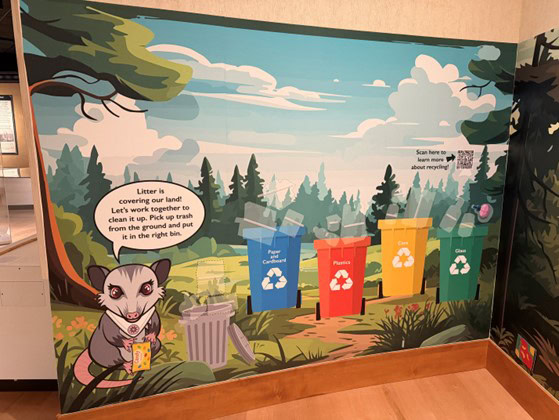
The Choctaw Cultural Center is displaying a temporary exhibit entitled: Hvpi Yakni, Hvpi Nan Ilhpita (Our Lands, Our Legacy: A Journey Through Choctaw Natural Resources).
The exhibit, which ends on April 18, focuses on the Choctaw Nation’s beautiful reservation of diverse landscapes and natural beauty.
Visitors can discover how timber, coal and water shaped tribal sovereignty, and explore the Choctaw people’s connection to the land through an interactive recycling area.
Plan a trip to the Cultural Center by visiting their website.
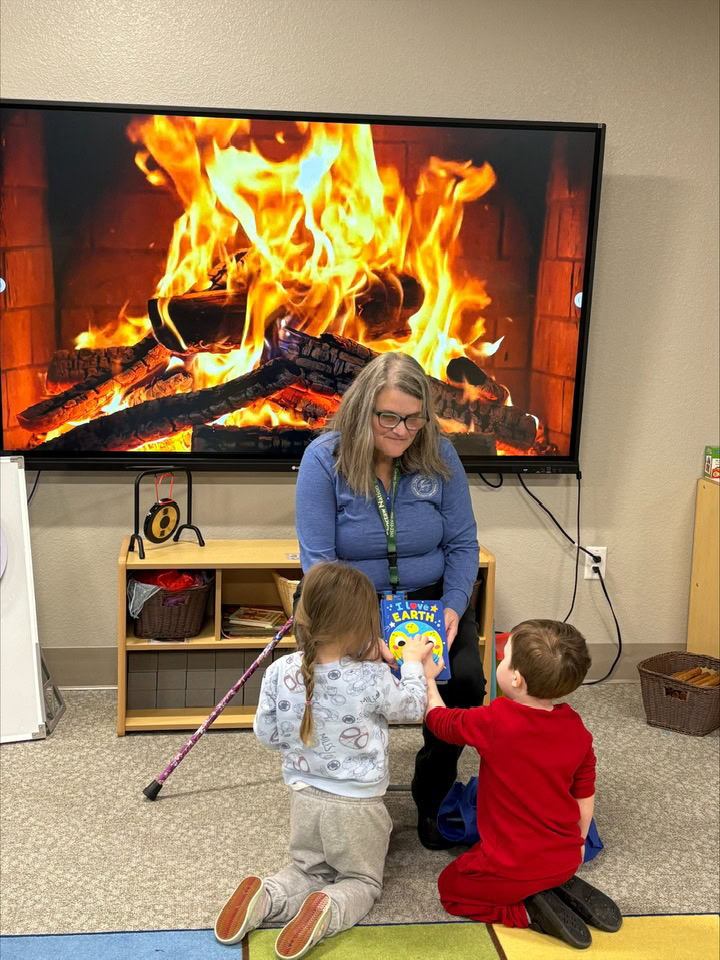
The staff at Choctaw Nation Recycling Centers also have many ways they interact with youth. One way is reading stories to Choctaw Nation Day Care and Head Start students.
One book shared is “We Are Water Protectors” by Ojibwe/Métis author Carole Lindstrom and Tlingit artist Michaela Goade. The story uses a “black snake” as a metaphor for oil pipelines, urging readers to protect water and the environment. It highlights the sacredness of water, Indigenous culture and women’s connection to Mother Earth. “We Are Water Protectors” is available for purchase online and at major bookstores.
Other stories they share include “I Love the Earth” by Todd Parr, “We Are All Connected” by Gabi Garcia, and “I Can Save the Earth” by Alison Inches. These books teach children valuable lessons about recycling, protecting the environment, and caring for the planet.
The Choctaw Nation Recycling Centers also connect with youth by offering facility tours.
Tracy Horst, environmental compliance director, said staff enjoys leading tours and welcomes schools, groups and individuals. For individual tours, visit any center during operating hours.
To schedule a group tour, call Durant at 580-920-0488 or Poteau at 918-649-0343.
The recycling centers regularly participate in school events, such as science fairs and STEM nights. Participating in these events offers program staff opportunities to set up a booth, talk to visitors about recycling, and pass out free handouts. The events also expose students and families to STEM opportunities within the community.
There are many ways that youth can participate throughout the year. To learn more about how to get more involved, contact any of the programs mentioned in this article and stay tuned for more activities coming soon.