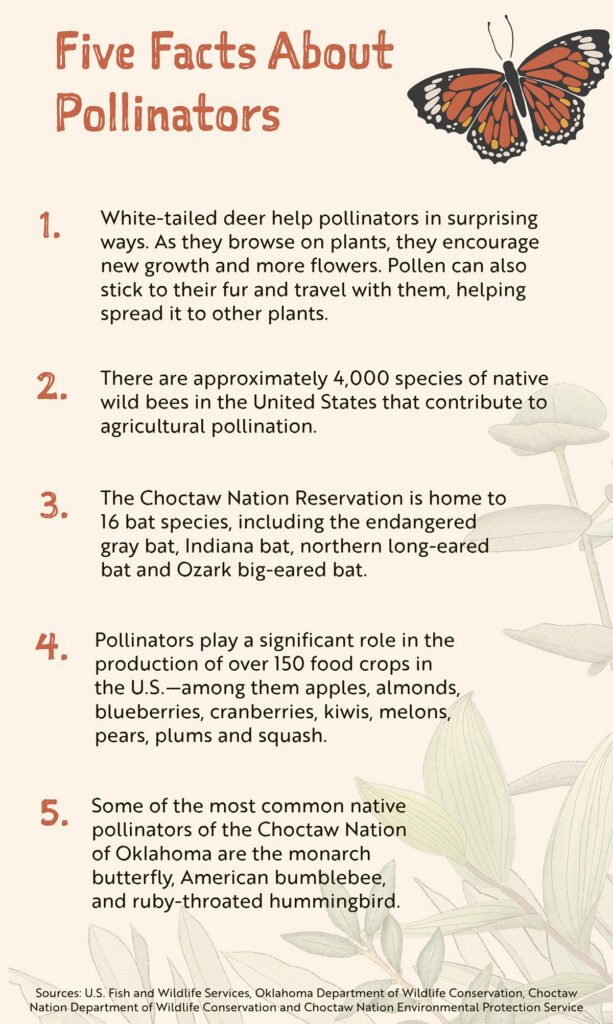
Pollinators may be small, but they carry a huge impact on the environment and food supply. Bees, butterflies, birds and other pollinating species work hard to help fertilize plants by transferring pollen between flowers, allowing crops to develop.
The Impact of Pollinators
According to the U.S. Department of Agriculture (USDA), pollinators help produce about one in every three bites of food people eat. Three-fourths of the world’s flowering plants and about 35% of global food crops depend on animal and insect pollinators to reproduce.
Pollinators come in many forms. Bees are one of the most recognized and effective pollinators. However, butterflies and moths also contribute by visiting flowering plants for nectar. Birds such as hummingbirds, as well as bats and beetles, play a vital role in pollination.
Conservation Efforts
Loss of habitat, disease, parasites and pollution have contributed to the decline of many pollinator species.
Conservation groups and governments across the United States have launched initiatives to help protect these essential species. The Choctaw Nation of Oklahoma (CNO) has joined these efforts by promoting stewardship of the land and protection of wildlife that sustains ecosystems and food systems through its conservation efforts and education programs.
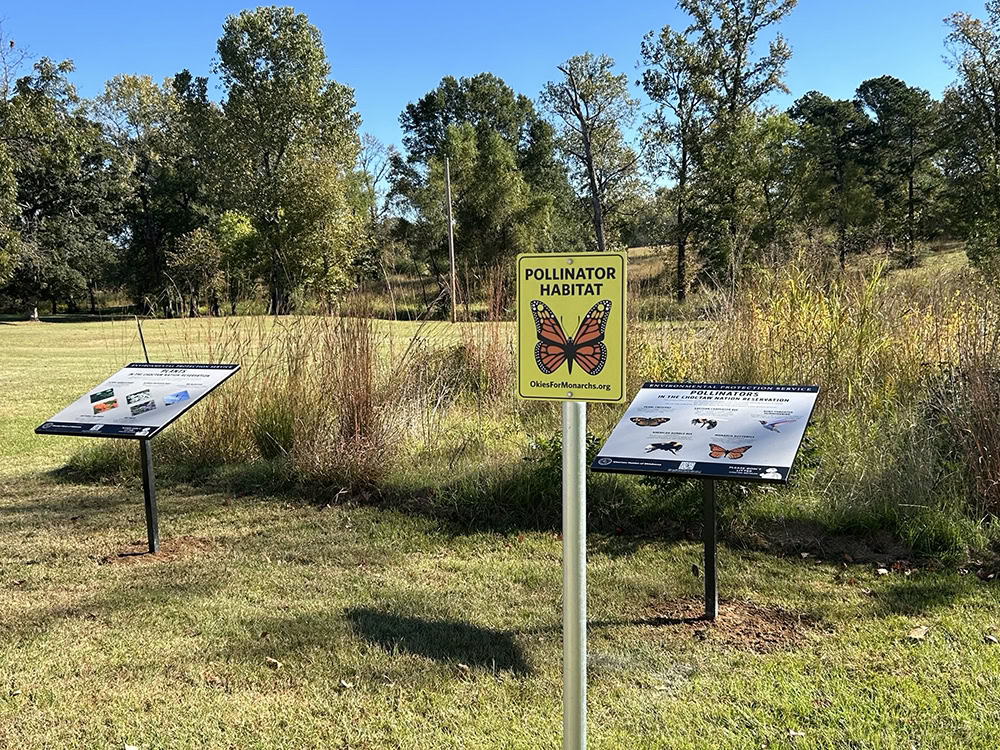
CNO has partnered with groups such as the Okies for Monarchs and Tribal Alliance for Pollinators to create and maintain pollinator habitats around its reservation.
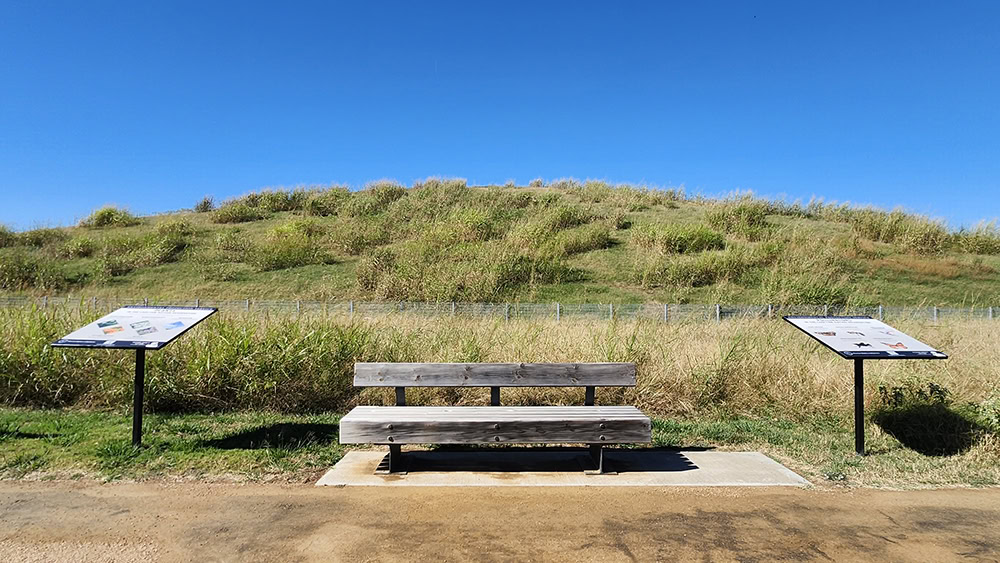
According to Steve Anderson, an environmental coordinator with the Choctaw Nation’s Environmental Protection Service, there are currently three official pollinator habitat projects maintained by the Tribe, located at Choctaw Nation headquarters in Durant, the Wheelock Academy historic site in Garvin and the Choctaw Cultural Center in Durant.
There are also plans for additional habitats throughout the reservation.
The creation of these spaces helps provide food and shelter for species that are critical to maintaining the nation’s ecosystems.
The Tribe has also provided beekeeping workshops, sharing techniques for managing and caring for beehives. In addition, the Choctaw Nation Wildlife Conservation Department installs bat houses and uses monitoring and education efforts to help protect the 16 bat species that live on its reservation.
Creating Pollinator Habitats
One of the easiest ways the public can help these tiny but mighty species is by planting a pollinator habitat/garden.
Experts, including those at CNO EPS, recommend selecting a variety of native plants that bloom throughout the seasons to ensure pollinators have access to nectar and pollen during the most crucial pollination months, from spring through fall.
Flowers with different shapes and colors can also help attract a wider range of species.
Avoiding pesticides is another key step, as many chemicals can harm pollinators. Providing shallow water sources, such as small dishes with stones for insects to land on, can also help pollinators stay hydrated.
The USDA says many flowering plants can grow in sun or shade, but it is important to consider which pollinators you want to attract. For example, butterflies like to bask in the sun, and many of their preferred wildflowers thrive in full or partial sun, protected from the wind.
For southeastern Oklahoma, TAP recommends native plants such as:
One of the best resources for creating pollinator habitats is the Tribal Alliance for Pollinators (TAP), a Native-led initiative in Oklahoma. The alliance provides training, seed banks and restoration support to help tribes restore pollinator habitat using native plants and traditional ecological knowledge.
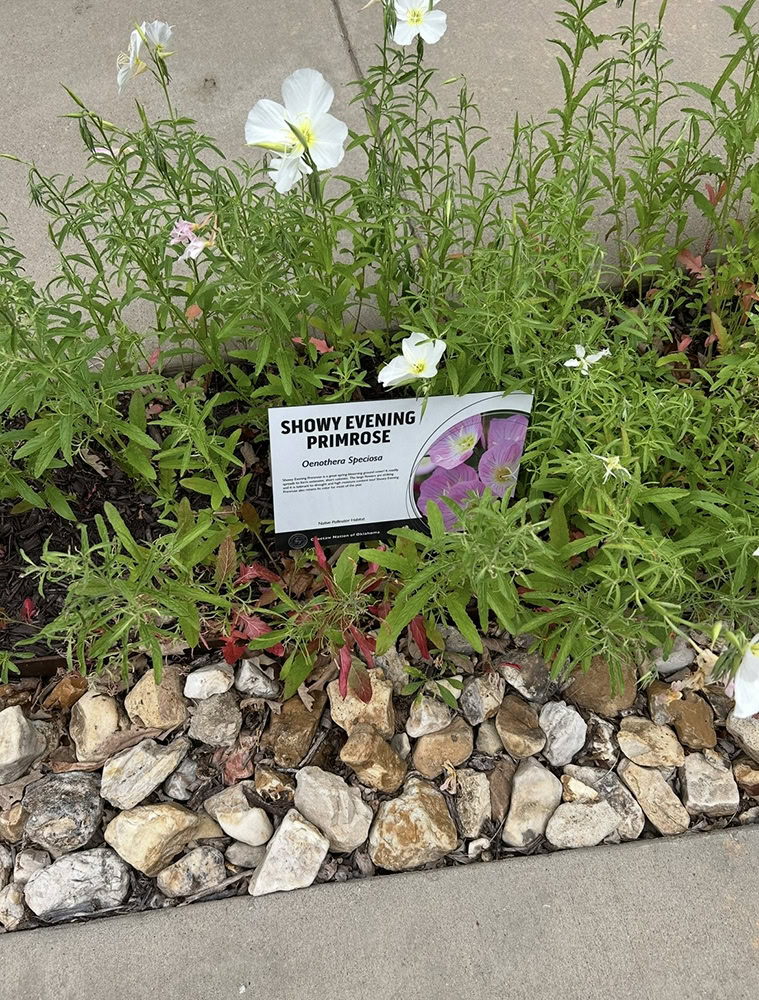
- Swamp milkweed
- Bee balm/wild bergamot
- Foxglove beardtongue
- Sawtooth sunflower
- Buttonbush
- Slender mountainmint
Readers can find resources, videos and other tools for habitat restoration at tribalallianceforpollinators.org.
The Oklahoma Monarch Society offers two seasonal seed mixes, produced by Johnston Seed of Enid, for central/western and eastern Oklahoma. For more information and to purchase seeds, visit okmonarchsociety.org.
Choctaw EPS staff also hand out seeds at events such as Labor Day and CNO Health Fairs.
For those who live outside Oklahoma, there are many different resources.
The U.S. Fish and Wildlife Service offers a step-by-step guide to building a pollinator garden for beginners.
The U.S. Forest Service also offers several resources, including a pollinator gardening guide. Readers can find more information at fs.usda.gov/managing-land/wildflowers/pollinators.
The Xerces Society for Invertebrate Conservation is an international nonprofit that protects the natural world by conserving invertebrates and their habitats.
The group conducts research and offers up-to-date resources and ways to get involved in pollinator conservation.
By creating pollinator-friendly spaces and supporting habitat initiatives, individuals and tribes can help these vital species thrive for generations to come.