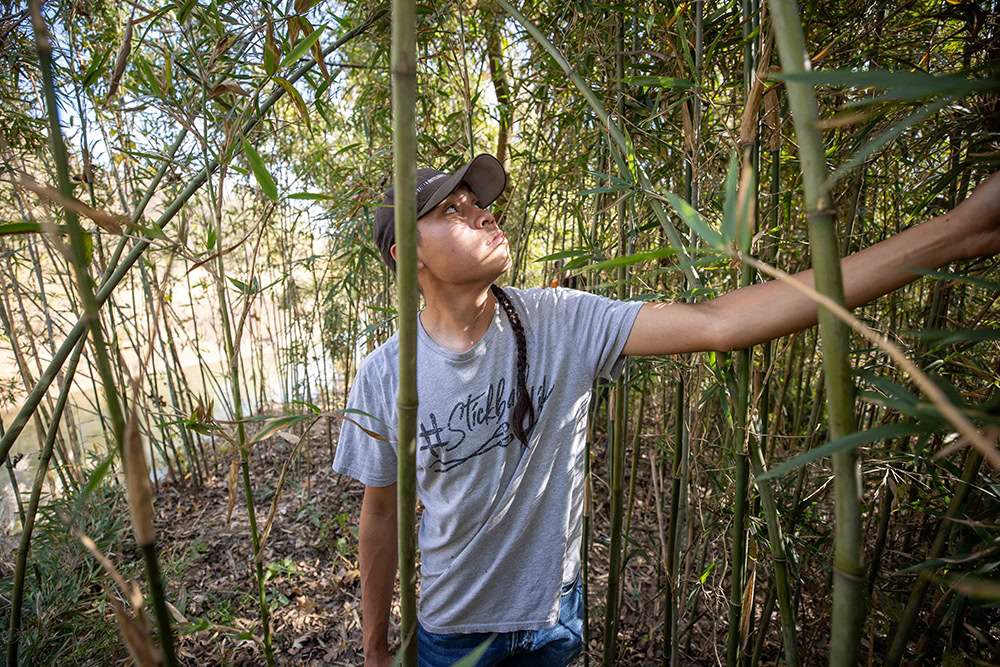
For centuries, river cane has woven its way into the daily lives of the Choctaw people. Long before the American Revolutionary War, Indigenous tribes across the southern United States relied on this unique and useful resource.
In “A New Voyage to Carolina” (1709), English explorer John Lawson documented river cane and its various uses among the Native communities he encountered.
The Choctaw people have historically used river cane to produce arrow shafts, blowguns, fishing spears, fish traps, tools, mats, flutes and roof-sealing materials.
“I’ve heard it called basically Choctaw plastic. How we think about plastic today, how it’s used for almost everything, that was river cane in the past.”
Ryan Spring
Ryan Spring, a cultural research associate with the Choctaw Nation, said, “Culturally, river cane is a plant that Choctaw people used every day of their lives.”
Spring further explained, “I’ve heard it called basically Choctaw plastic. How we think about plastic today, how it’s used for almost everything, that was river cane in the past.”
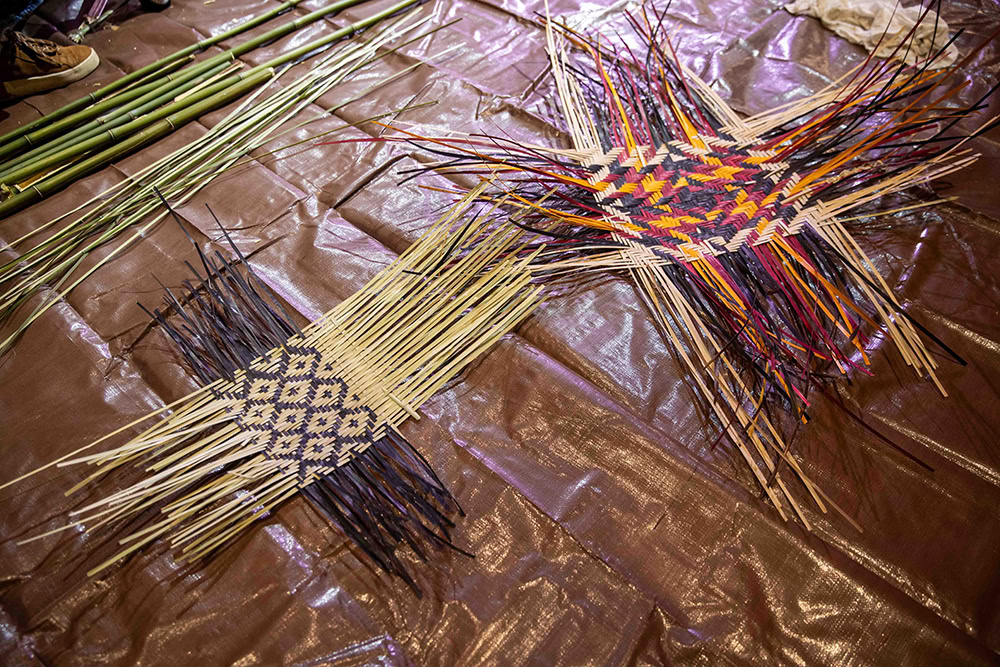
Among its many uses, river cane shines brightest in basketmaking. Historically, these baskets were both beautiful and practical for everyday use. They served as essential tools for preparing corn, gathering herbs and plants, storing items and more.
Today, the tradition of river cane basketmaking still lives on in Choctaw culture, though some aspects have evolved over time.
While these areas have sometimes been referred to as canebrakes, Jamie Smith, an environmental coordinator with the Choctaw Nation and botanist, clarified that historically, a canebrake referred to a much larger area of dense river cane. Currently, the term “cane stand” is preferred to describe the smaller patches of river cane present in and around the Choctaw reservation.
Smith also authored Choctaw Nation’s Plant Field Guide. This guide highlights plants found across the Choctaw Nation Reservation while sharing traditional knowledge and the Choctaw language.
Copies of the field guide can be found at select Community Centers and at Choctaw Nation and community-hosted in-person events. Look for more information on this guide in next month’s issue of the paper and online at choctawnation.com.
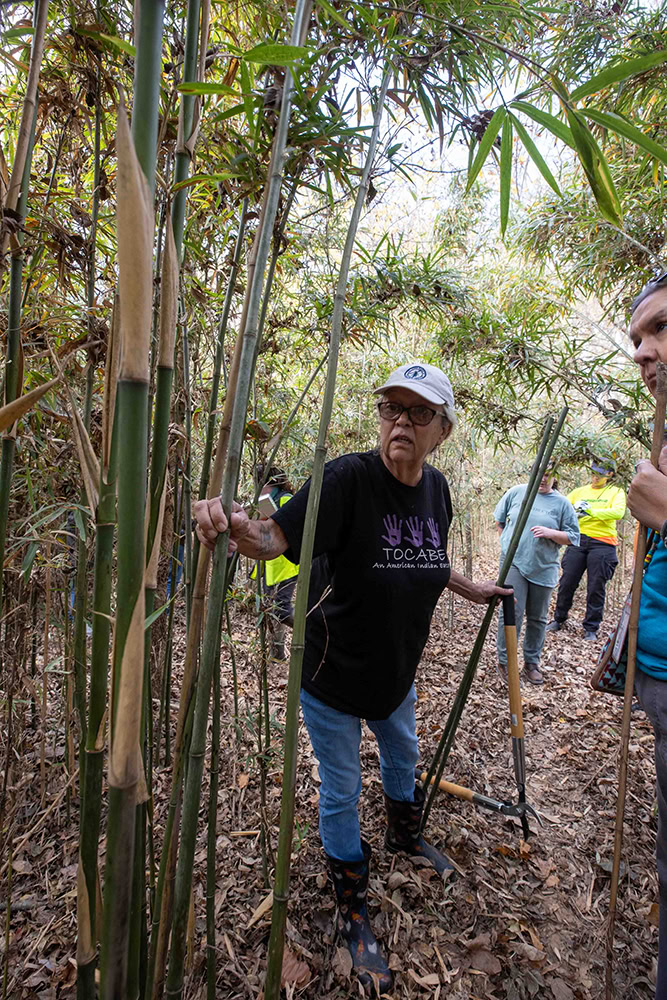
River cane stands are areas where river cane grass grows, sometimes covering up to an acre and forming dense thickets that shade out other plants, becoming the dominant species. These stands create distinct ecosystems that support birds, insects and other wildlife.
Spring noted, “You can listen to a cane stand and get an idea of how healthy it is by hearing the birds and other wildlife interacting in the stand.”
Sadly, cane stands are becoming more difficult to find because river cane is at critically low levels.
According to Smith, 99% of the indigenous river cane has been lost due to urbanization and agriculture.
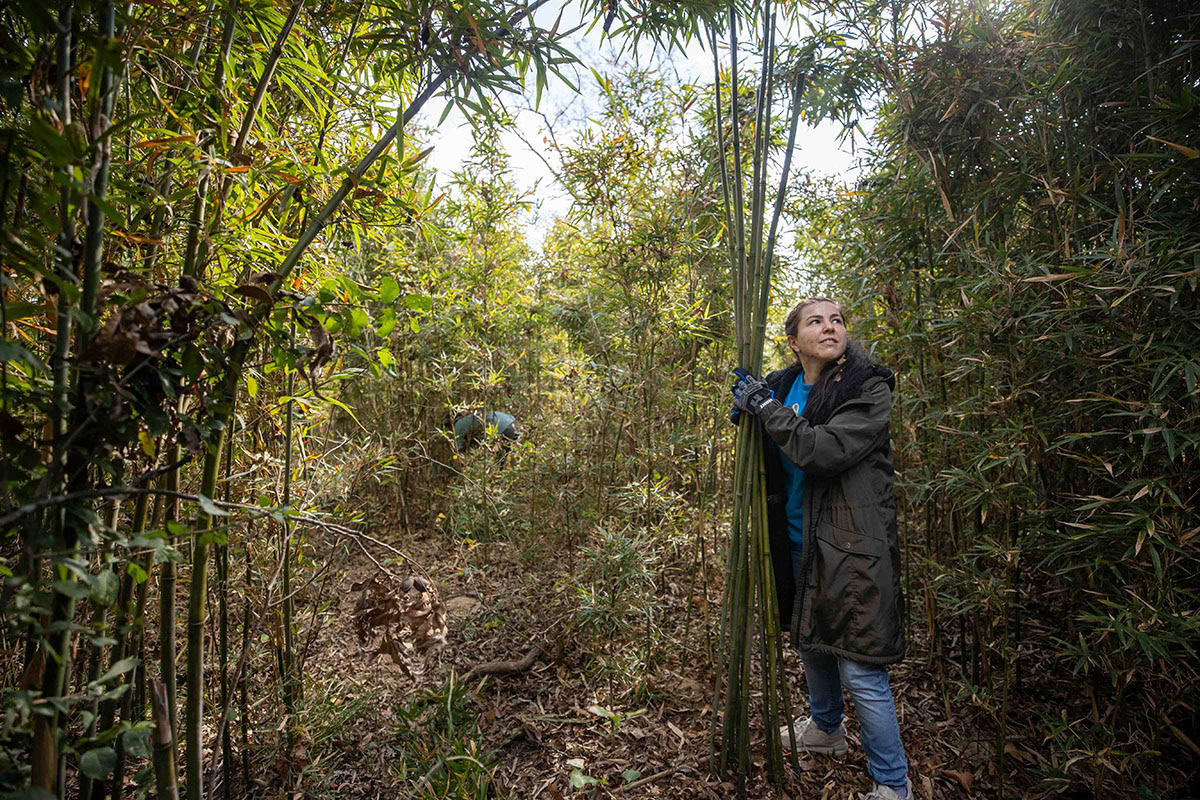
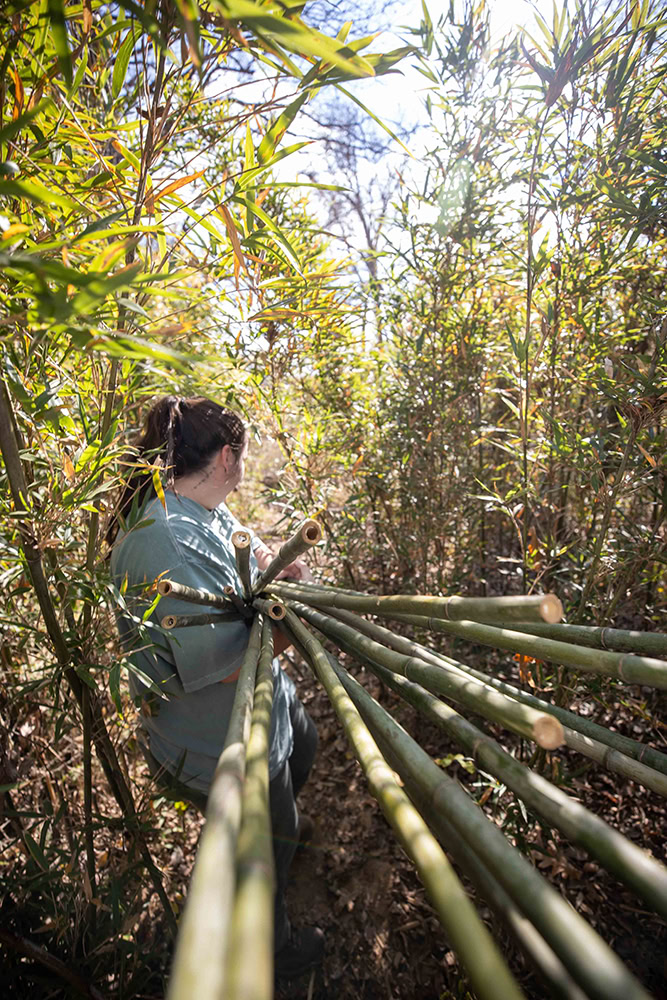
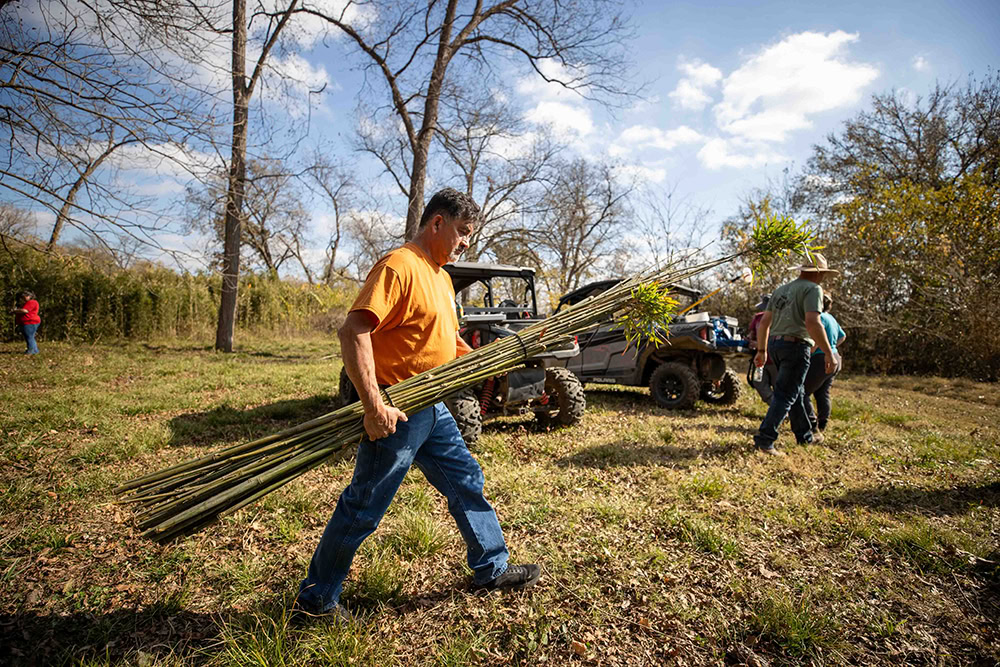
MK Wilhite carries a bundle of freshly harvested cane. Credit: Christian Toews
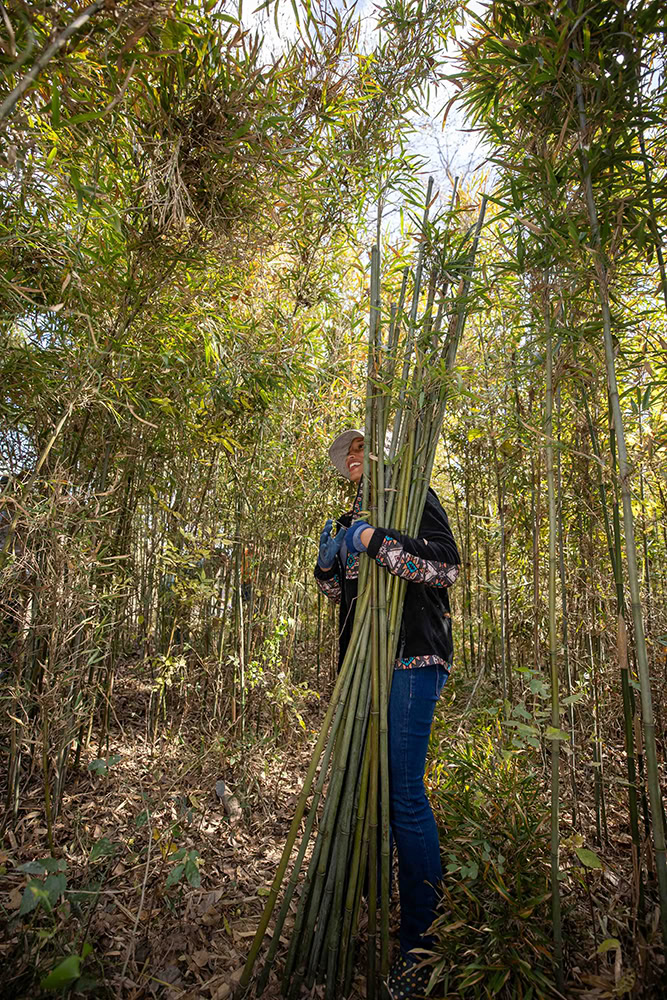
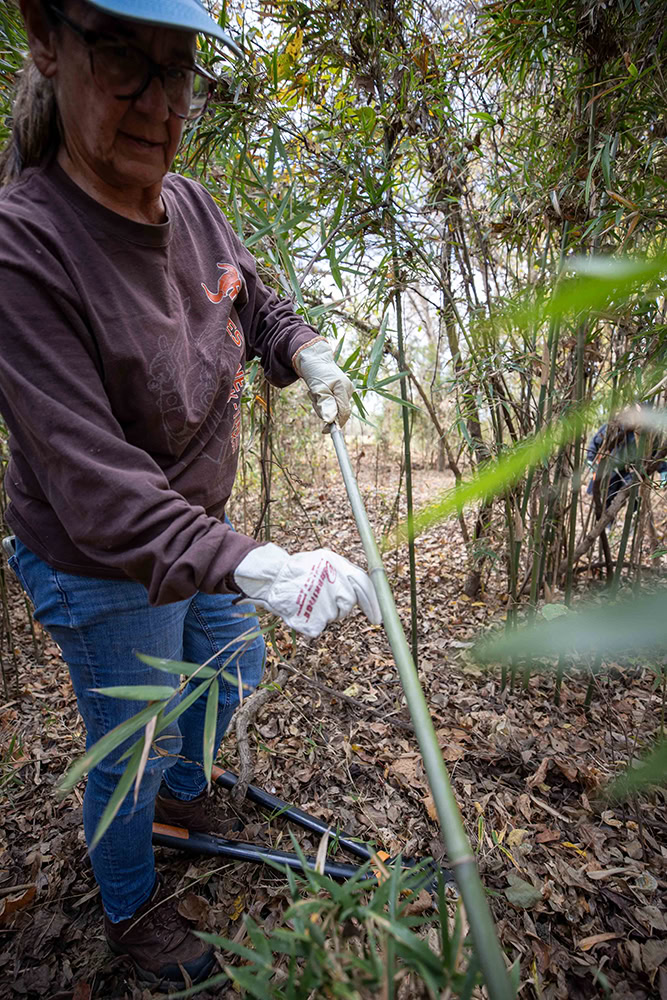
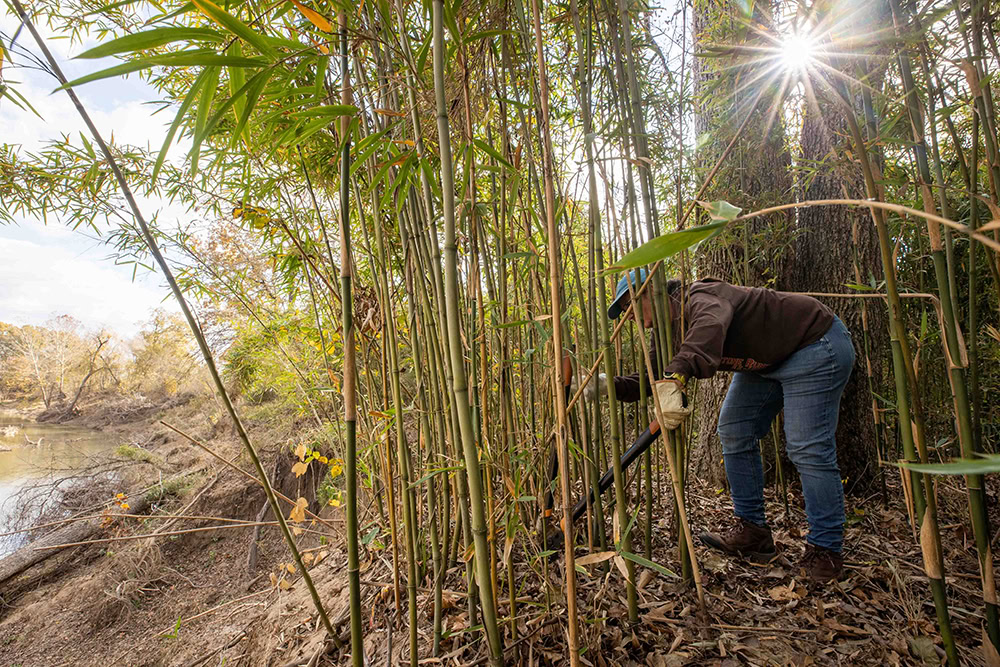
Aliyah Myers smiles as she holds a bundle of freshly harvested cane. Credit: Christian Toews
Though there are commercial options, Spring reiterated that it is different from using the real thing.
“The newer generation of artists who want to make baskets have to learn with commercial reed,” said Spring. “Which is fine, but it’s not the same thing.”
Because every artist has different size requirements and preferences for river cane, finding the right size can be challenging. That’s why Smith is creating a database to help approved cane harvesters find canebrakes and cane stands suited for various applications.
She has gathered data on cane stands near the Choctaw Nation reservation for years and aims to create a process for artists to access and harvest them.
According to Spring, this process will help protect and preserve cane stands. He emphasized the need for proper cane harvesting education and warned against improper or overharvesting, which can destroy stands and damage the ecosystem.
After finding a cane stand, harvesting the cane requires skill and a lot of practice.
Certain indicators show whether a culm, the hollow, stalk-like part of river cane, is ready to harvest. The harvester should be able to visually distinguish between mature and immature culms. Despite advances in technology, one of the best ways to tell if a culm is mature is to tap it with a tool or knife. The sound produced by tapping varies with the culm’s maturity and size.
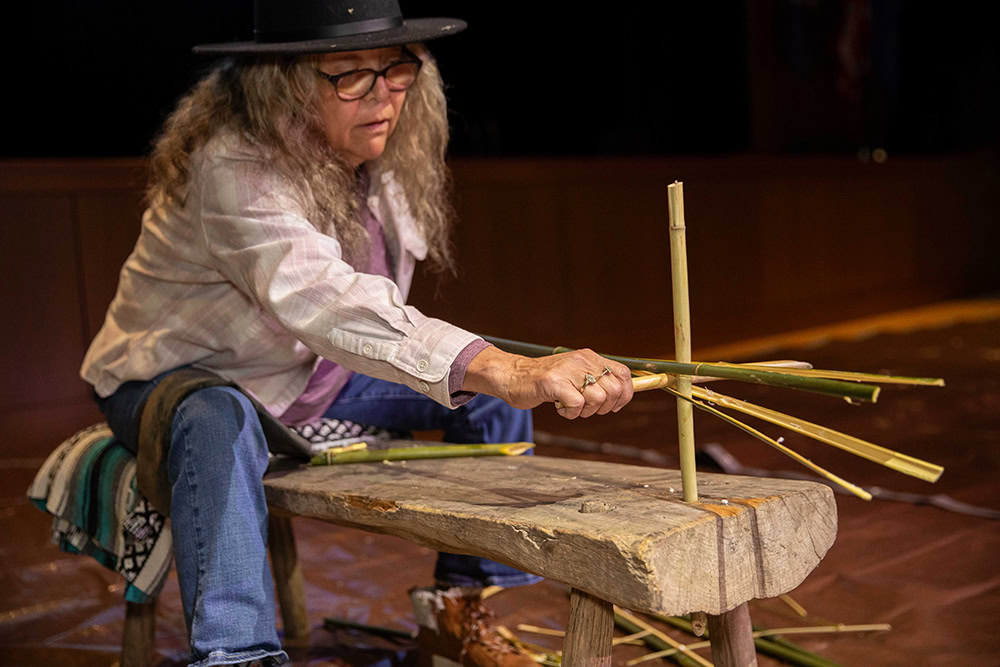
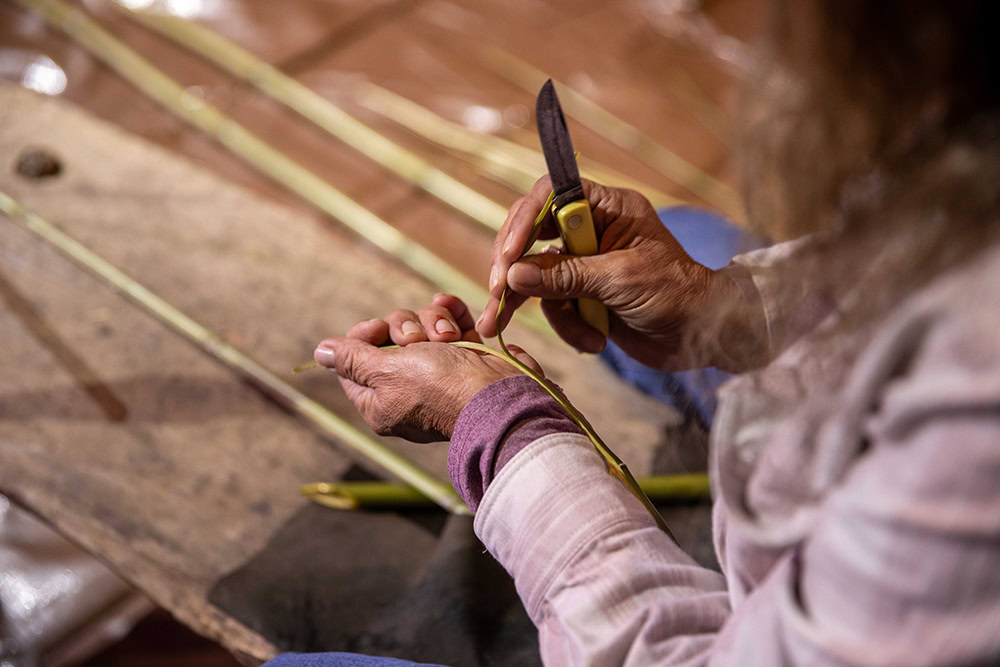
It is very important to cut the culm as close to the ground as possible to prevent creating a sharp stake that could injure animals or people.
Once harvested, the cane is carefully bundled and immersed in water to preserve its flexibility and prevent it from drying out.
This is where the real work begins.
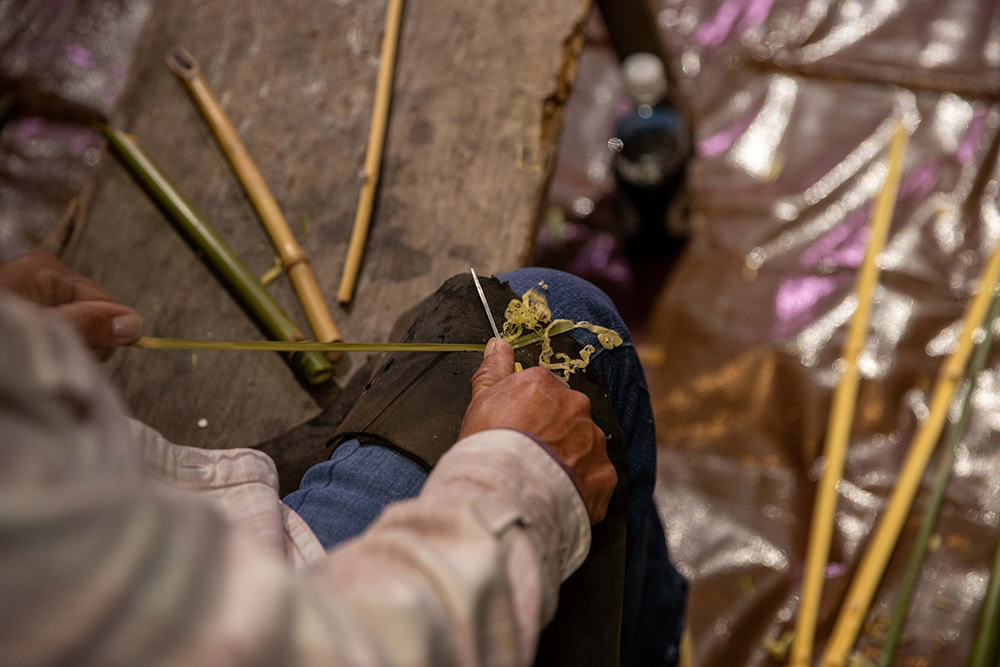
Each culm is split into four pieces and each quarter is split again. Each strip is then peeled to create a long, flexible length of river cane. Spring says this process can be dangerous, and inexperienced artists often end up cutting themselves with the knife they are using to peel the cane.
Once enough of these strips are produced, they can be dyed in the artist’s chosen color. This dyeing process may take months, depending on the type of dye used.
Basketmaking can begin with green cane, or the strips can be dried, a process that may take up to a year. When the artist reaches their desired strip color and texture, they begin weaving the basket.
Beyond its cultural significance, river cane has countless positive effects on both people and the landscape where it grows. This essential resource has influenced much of the United States by supporting larger ecosystems, providing food and shaping waterways.
Not only does it shape waterways by solidifying the nearby soil, but river cane can also help clean water supplies.
Water sources across the South are becoming increasingly polluted, and river cane could help provide a solution. Many agricultural and livestock operations use fertilizers with high nitrogen levels, which can make nearby drinking water toxic.
One of the unique qualities of river cane is its ability to absorb large amounts of nitrogen from water. According to Spring, 50 feet of river cane can absorb 100% of nitrogen runoff.
Spring noted that there is not much research on river cane, but the Choctaw Nation is collaborating with other organizations to study, conserve and develop educational materials about the plant.
Some of the partnerships include the U.S. Forest Service, CONSERVE’s Rivercane Restoration Alliance and the USACE Tribal Nations Technical Center of Expertise.
“As we respect our environment and as we interact with these different ecosystems and landscapes again, we come back to thinking and acting like Choctaw people,” Spring said.
To learn more about the traditional art of basketmaking, find additional related Iti Fabvssa articles at biskinik.com.